


Shelby Sapp – “Cold Calling Offices by Ringing the Doorbell: Selling HVAC Capacitor Replacements”
Runtime: ~4:00
Tone: Confident, high-energy, slightly “psycho” (in the good sales way), practical, empowering. Fast cuts, on-screen text callouts, real-door energy, light humor, mindset framing. Shot like a mix of field footage + talking-head + scripted demo.
Scene 1 – Hook (0:00–0:18)
Hook =What they don’t teach you at high-level ticket sales Academy
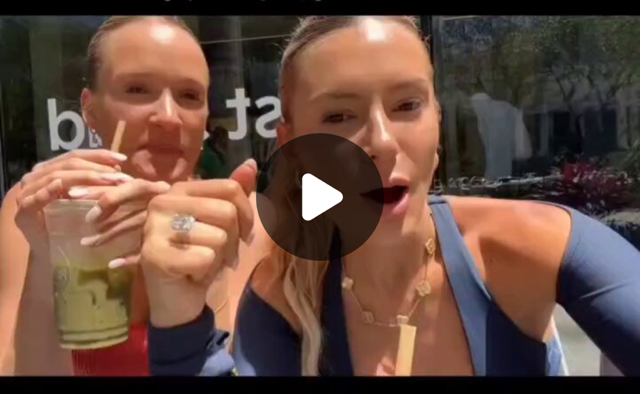
Visual: Quick cuts. Shelby (blonde, ponytail, sharp black blazer, sunglasses on head, Apple Watch, gum) walks up to a small office building exterior. She rings the doorbell / presses the intercom with zero hesitation. Cut to a receptionist looking confused through the glass. Cut to an outdoor AC condenser with a close-up of a bulging capacitor.
On-screen text: “Most people knock. I ring.”
VO / Shelby to camera (walking):
“This is not a script. This is how I would actually cold-approach an office right now to sell HVAC capacitor replacements. Ring the doorbell. Don’t wait. Don’t look nervous. Let’s go.”
Scene 2 – Why This Works (0:18–0:50)
Visual: Shelby talking to camera outside the building, then B-roll of commercial AC units on roofs/rooftops and office exteriors. Quick graphic: capacitor cost vs. full system failure cost.
Shelby:
“Capacitors die. They’re cheap parts that kill entire AC systems in the middle of a heat wave. Offices lose money when the air goes out. Most HVAC companies wait for the service call. We’re going to create the conversation before the unit dies.
Ringing the office doorbell is a pattern interrupt. People expect salespeople to knock on residential doors or cold-call phones. They don’t expect a sharp woman to ring their office doorbell and talk about their AC like she already knows something they don’t.”
On-screen text: Pattern interrupt > permission seeking
 Scene 3 – The Approach & Doorframe Rule (0:50–1:25)
Visual: Shelby at the door. She steps back slightly (classic “remove from the doorframe” move). Receptionist opens or answers intercom.
Shelby (to receptionist, calm authority):
“Hey — I’m Shelby. I’m not selling anything today, I just need 30 seconds with whoever handles the building’s AC or facilities. We’re finding a lot of capacitors that are about to fail in this area. Is that you or someone else?”
Cut to Shelby to camera:
“Notice I didn’t ask ‘are you the decision maker?’ I assumed relevance and moved the conversation off the doorframe. If they stay in the doorway, the ‘no’ sticks to the physical space. Step back. Get them to step out or invite you in. Reset the environment.”
On-screen text: Remove them from the doorframe → reset the no
Scene 4 – The Pitch / Script Demo (1:25–2:25)
Visual: Inside or just outside office. Shelby with office manager or owner. Quick cuts of her asking questions.
Shelby:
“Your units are probably 8–12 years old around here. Capacitors are the part that fails first — especially when it’s hot. When it dies, the system won’t start, your people sweat, and you’re calling emergency service at 3× the price.
I’m not here to sell you a new system. I’m here to test the capacitors on your outdoor units right now. Takes about 10 minutes. If they’re weak, we replace them today for a flat rate before they take the whole unit down. If they’re fine, I’ll tell you that too and leave. Fair?”
Cut to camera tip:
“Question-based, not feature dump. I framed it as a service, not a sale. I gave them an easy out. That lowers resistance. Then I future-pace the cost of doing nothing.”
On-screen text:
• Test, don’t pitch
• Easy out = lower resistance
• Future pace the failure
Scene 5 – Objection Handling (2:25–3:15)
Visual: Rapid-fire reenactments.
Objection 1 (receptionist): “We already have an HVAC company.”
Shelby: “Perfect — most of the offices we help do too. We’re just the ones who catch the capacitors before they become an emergency call. Mind if I talk to whoever manages that relationship for 60 seconds?”
Objection 2 (owner): “We’re good right now.”
Shelby: “Got it. When was the last time anyone actually tested the capacitors though? Most companies only look at them after the unit already failed. Would you be completely opposed to a 10-minute free test while I’m already here?”
Cut to camera:
“Leading ‘no’ questions work because the brain likes saying no. ‘Would you be completely opposed…’ gets a ‘no’ that actually means yes. And I never argue. I reframe and remove pressure.”
Scene 6 – Close + Mindset (3:15–3:45)
Visual: Shelby walking away from a successful interaction (or reenacting a handshake/schedule). Then she turns to camera.
Shelby:
“This is not about the capacitor. The capacitor is the foot in the door. Once you’re testing units, you’re building trust and you can talk maintenance agreements, contactors, whatever is next.
Mindset: every doorbell is the one. The last ten people said no. This one might say yes. You bring the energy. The environment does not control you.”
On-screen text: Every door is the sale until it isn’t
Scene 7 – CTA (3:45–4:00)
Visual: Shelby walking to her car (or pink Porsche if available), confident smile. End card.
Shelby:
“If you want the full frameworks, the exact scripts, and the training I give women who are done with low-ticket grinding and ready for high-ticket remote closing, comment or DM me ‘CLASS’. Or go to shelbysapp.com.
Now go ring some doorbells.”
End screen: She Sells Academy branding + “Ring the doorbell. Close the deal.”
 |
||
|

 Duck9 is a credit score prep program that is like a Kaplan or Princeton Review test preparation service. We don't teach beating the SAT, but we do get you to a higher credit FICO score using secret methods that have gotten us on TV, Congress and newspaper articles. Say hi or check out some of our free resources before you pay for a thing. You can also text the CEO: