


Deeply Understanding Capital: Knowledge as the Foundation of Prudent Wealth-Building
Capital is more than money in a bank account or shares on a screen. It represents stored productive capacity—human effort, resources, and time crystallized into tools, businesses, real estate, or financial claims that can generate future value. Deeply understanding capital requires moving beyond surface-level returns to grasp its nature, risks, flows, and interplay with leverage, inflation, and human psychology. In an era of abundant fiat currency, fiscal dominance, and sophisticated financial products, this knowledge separates sustainable compounding from painful wipeouts. lynalden.com
The Nature of Capital and Its Forms
At its core, capital is anything that enhances productivity or yields returns over time. Economist Thomas Sowell and others have framed it as deferred consumption: choosing to invest rather than spend immediately. Lyn Alden and macro thinkers emphasize distinguishing scarce, hard assets (productive businesses, commodities, real estate) from abundant fiat claims. Fiat currency can be created in vast quantities, diluting its value, while high-quality equity or yield-generating real assets tend to retain or grow purchasing power, especially under financial repression where real interest rates stay negative. mebfaber.com
Different forms carry distinct characteristics:
• Equity in businesses: Ownership in cash-flowing enterprises with pricing power. These often compound through reinvestment and buybacks.
• Real estate and REITs: Tangible, income-producing assets that benefit from conservative leverage and inflation hedges. lynalden.com
• Commodities and precious metals: Stores of value that perform well in stagflation or currency debasement scenarios.
• Fixed income: Debt claims that suffer in inflationary environments but provide stability when real yields are positive.
True capital knowledge begins with valuation discipline—using metrics like CAPE ratios, price-to-book, dividend yields, and debt levels—rather than chasing momentum. lynalden.com Most investments are mediocre or poor over full cycles; the edge comes from identifying those with durable competitive advantages and reasonable entry prices.
Leverage: The Double-Edged Amplifier
Leverage epitomizes why capital understanding must be deep. Borrowing to amplify returns on scarce assets against abundant fiat has driven wealth creation for decades. Entities that borrow prudently—shorting low-yield currency to own higher-yielding or appreciating assets—capture a multi-trillion-dollar arbitrage. Yet, as Alden notes, “you want leverage, but you don’t want to ‘go over.’” Excessive or poorly structured leverage leads to forced liquidations, margin calls, and cascading losses. lynalden.com
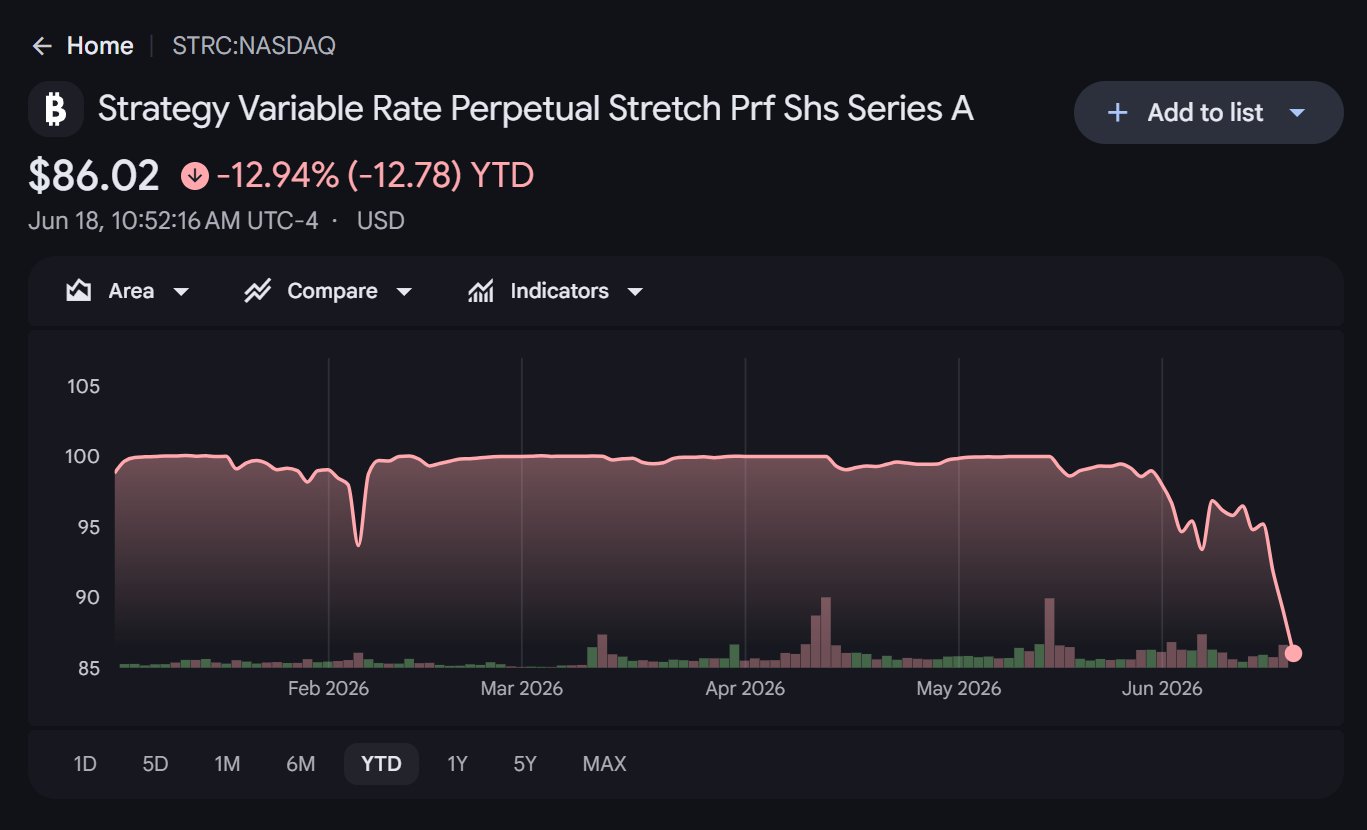
Consider a practical example: borrowing against a paid-off home (your primary residence) to invest in a higher-yielding dividend stock or structured product. The spread—say 6% mortgage versus 10%+ yield—appears as “free” arbitrage. But tail risks abound. Dividend cuts, share price volatility, or rising rates can erode both income and principal. Your home, meant for shelter and stability, becomes collateral in a confidence-sensitive game. This is not risk-free; it is a personal decision weighing expected returns against the catastrophic downside of losing one’s foundation. Optics and mechanics matter: opaque leverage built atop assets (e.g., derivatives or collateralized products) can amplify mechanical liquidations far beyond fundamental risks. @lynaldencontact
Moderate, skillful leverage wins over time. Unlevered portfolios often lag in fiat-debasement regimes, while over-levered ones blow up first in recessions or liquidity crunches. The winners maintain reserves, monitor systemic leverage, and preserve optionality.
Risk, Cycles, and Fiscal Dominance
Deep capital knowledge demands cycle awareness. In fiscal-dominant environments—where government deficits and monetary accommodation dominate—traditional recession signals weaken, but stagflation risks rise. Portfolios heavy in long-duration bonds or overvalued growth stocks falter; real assets, energy producers, value equities, and commodities often outperform. cnbc.com
 |
|
|
|
Inflation acts as a hidden tax, eroding cash and nominal bonds while rewarding owners of hard assets with pricing power. Negative real rates transfer wealth from savers to debtors and asset holders. Understanding global imbalances—trade deficits, capital flows, and energy dependencies—further refines allocation. Emerging markets with low debt or commodity exporters may offer better risk/reward than high-debt developed peers. lynalden.com
Psychology plays a central role. Greed inflates leverage during good times; fear triggers indiscriminate selling. Reserves (cash or liquid buffers) provide resilience, allowing opportunistic deployment during drawdowns rather than forced capitulation.
Building Capital Knowledge Practically
1. Study Cash Flows Relentlessly: Focus on dividend coverage, free cash flow, debt maturities, and reserve policies. A company or asset with multi-year buffers weathers volatility better.
2. Assess Tail Risks: Model worst-case scenarios—liquidity cascades, policy shifts, geopolitical shocks—not just base-case spreads.
3. Diversify Thoughtfully: Blend equities, real assets, and some international/emerging exposure. Avoid over-concentration in any single narrative. lynalden.com
4. Align with Personal Circumstances: Leverage suits those with high risk tolerance, stable income, and long horizons. For most, preserving the primary residence outweighs marginal yield.
5. Continuous Learning: Capital markets evolve. Fiscal dominance, technological disruption, and monetary experiments require updating mental models.
Conclusion: Capital as Intellectual and Moral Discipline
Deeply understanding capital transcends formulas. It is a worldview: recognizing that wealth arises from productive allocation amid uncertainty, not guaranteed arbitrage. It demands humility—acknowledging that most “easy” opportunities embed hidden risks—and discipline to act prudently when others chase yield.
In Lyn Alden’s framework and broader investment thought, the goal is not maximal leverage or returns, but resilient compounding that respects tail risks and human realities. Those who internalize this build not just portfolios, but enduring security. In a world of broken money and shifting regimes, capital knowledge itself becomes the scarcest and most valuable asset.









 Duck9 is a credit score prep program that is like a Kaplan or Princeton Review test preparation service. We don't teach beating the SAT, but we do get you to a higher credit FICO score using secret methods that have gotten us on TV, Congress and newspaper articles. Say hi or check out some of our free resources before you pay for a thing. You can also text the CEO: