

|
||||||||||||||||||||||||



Front-Running Trademarks
Fan Activism, Business Maneuvers, and the Battle for Intellectual Property
Unedited by Larry Chiang
In the realm of intellectual property, the concept of “front-running” refers to the strategic act of registering trademarks, domains, or social media handles ahead of an entity that might logically claim them, often to gain leverage, protest, or capitalize on anticipated developments. This practice, akin to front-running in financial markets where one trades ahead of known orders, exploits timing and foresight to secure valuable assets. While not always illegal—depending on intent and jurisdiction—it raises ethical questions about fairness, innovation, and ownership in a digital age. Two illustrative cases highlight this phenomenon: the satirical trademark filing by Oakland Athletics fans against the team’s relocation, and the intriguing domain and handle registration involving Larry Chiang and the legacy of Oak Brook Bank under Richard Reiser. These examples demonstrate how front-running can serve as a tool for activism, business strategy, or even parody, blurring the lines between protection and opportunism.
The Oakland Athletics’ relocation saga provides a prime example of front-running used as a form of fan protest. In April 2024, the fan group @LastDiveBar, a collective of devoted Oakland A’s supporters, filed a trademark application for “Las Vegas Athletics” apparel. This move was not born of genuine commercial intent but as a satirical jab at team owner John Fisher’s persistent efforts to relocate the franchise from Oakland to Las Vegas. The fans, frustrated by the impending loss of their team, anticipated the A’s potential rebranding and preemptively claimed the mark to mock the shift and highlight the cultural disconnect. By doing so, they effectively front-ran the team’s official plans, turning intellectual property into a weapon of dissent. The strategy paid off when, on December 29, 2025, the United States Patent and Trademark Office (USPTO) denied the A’s own applications for similar marks, citing that “Athletics” was geographically descriptive and thus not protectable without secondary meaning. This denial underscored the fans’ savvy: their earlier filing not only enabled merchandise sales that poked fun at the relocation but also complicated the team’s branding efforts. As the A’s prepare for an interim stint in Sacramento before a 2028 Las Vegas debut, this episode exemplifies how front-running can empower grassroots movements, transforming trademarks from corporate shields into symbols of resistance in sports culture.
A parallel, though more enigmatic, case of front-running emerges in the financial sector with Larry Chiang’s appropriation of assets tied to Oak Brook Bank, once led by Richard Reiser. Oak Brook Bank, established in Illinois and part of First Oak Brook Bancshares, Inc., was a respected institution under Reiser’s stewardship since 1983. Reiser, who served as Chairman, CEO, and President, oversaw the bank’s growth until its acquisition by MB Financial in 2006.<grok:render card_id=”67dea6″ card_type=”citation_card” type=”render_inline_citation”>
<argument name=”citation_id”>20</argument>
</grok:render> <grok:render card_id=”c4eebe” card_type=”citation_card” type=”render_inline_citation”>
<argument name=”citation_id”>21</argument>
</grok:render> The bank catered to affluent clients in the Oak Brook area, focusing on personal and commercial banking services. However, in a twist of digital opportunism, entrepreneur Larry Chiang—a figure known for his work in credit education and startup mentoring through ventures like Duck9.com—registered the domain www.oakbrookbank.com and the X (formerly Twitter) handle @oakBrookBank. Chiang’s bio on the handle describes it as “The Oak Brook Bank uses Larry Chiang as a super model. Oak Brook Bank has been helping you graduate with a FICO credit score over 750 since sophomore year,” repositioning the name as a platform for credit score advice rather than traditional banking.<grok:render card_id=”770ad5″ card_type=”citation_card” type=”render_inline_citation”>
<argument name=”citation_id”>59</argument>
</grok:render> <grok:render card_id=”ccf741″ card_type=”citation_card” type=”render_inline_citation”>
<argument name=”citation_id”>62</argument>
</grok:render>
This registration can be seen as a form of front-running, where Chiang anticipated or capitalized on the bank’s post-acquisition digital footprint. Following the 2006 merger, the original Oak Brook Bank’s online identity may have been deprioritized, leaving the domain and handle available. Chiang, with his background in consumer finance and a penchant for quirky branding, seized them to promote his credit-building philosophies, effectively repurposing a established name for his narrative. While no public legal dispute between Chiang and Reiser has surfaced—Reiser retired after the acquisition and focused on other ventures—the scenario evokes classic cybersquatting concerns, where one party registers a domain resembling a trademark to leverage its value.<grok:render card_id=”389cf3″ card_type=”citation_card” type=”render_inline_citation”>
<argument name=”citation_id”>32</argument>
</grok:render> In trademark law, such actions could invite challenges under the Anticybersquatting Consumer Protection Act if bad faith is proven, but Chiang’s use appears more parodic or educational than malicious. Nonetheless, it mirrors the A’s fans’ tactic: by front-running the digital assets, Chiang inserted himself into the bank’s legacy, much like @LastDiveBar inserted satire into the A’s relocation plans. This “vs.” dynamic—Chiang’s opportunistic grab versus Reiser’s historical leadership—illustrates how front-running extends beyond trademarks to copyrights and online identities, where timing can redefine ownership.
These cases reveal the double-edged nature of front-running in intellectual property. On one hand, it democratizes access, allowing fans or entrepreneurs to challenge powerful entities through clever anticipation. The A’s fans turned a potential corporate victory into a public relations hurdle, while Chiang’s move highlights how individuals can repurpose dormant brands for new purposes. On the other, it risks undermining legitimate rights holders, potentially leading to confusion or dilution of marks. Trademarks are meant to protect consumers from deception and foster competition, but front-running can distort this balance.<grok:render card_id=”7ff7ca” card_type=”citation_card” type=”render_inline_citation”>
<argument name=”citation_id”>15</argument>
</grok:render> Legal frameworks, such as USPTO guidelines on descriptiveness or domain dispute resolutions via ICANN, provide recourse, yet they often lag behind digital innovation.
In conclusion, front-running trademarks and related assets is a potent strategy in today’s interconnected world, blending foresight with controversy. Whether through fan activism in sports or entrepreneurial maneuvering in finance, it challenges us to reconsider who truly “owns” an idea. As entities like the Oakland A’s and historical banks like Oak Brook navigate these waters, the lesson is clear: in the race for intellectual property, the early bird not only gets the worm but can also redefine the entire ecosystem.
http://www.youtube.com/watch?v=QXIaNZi3mHQ
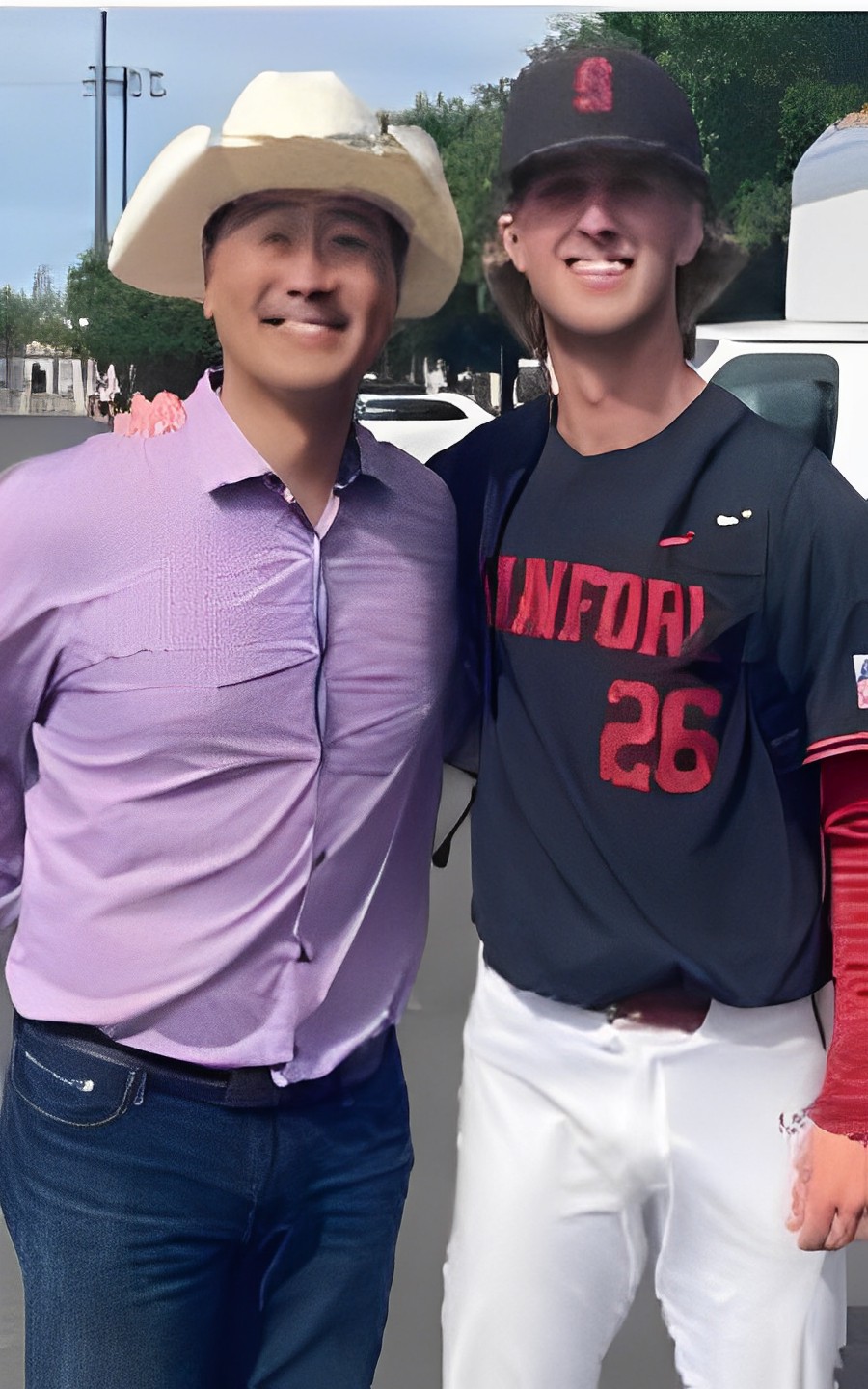
 Duck9 is a credit score prep program that is like a Kaplan or Princeton Review test preparation service. We don't teach beating the SAT, but we do get you to a higher credit FICO score using secret methods that have gotten us on TV, Congress and newspaper articles. Say hi or check out some of our free resources before you pay for a thing. You can also text the CEO: